
Panel Upgrade

Whole-Home Surge Protection

Protect your home's electrical system and connected devices from power surges with a professionally installed whole-home surge protector at your main panel.

Why Whole-Home Surge Protection Matters

Power surges happen more often than most homeowners realize. Lightning strikes get the attention, but the majority of surges come from inside your home—when high-draw appliances like air conditioners, refrigerators, and heat pumps cycle on and off. Utility switching and downed power lines add to the risk.

A whole-home surge protector installs at your main electrical panel and stops surges before they reach your outlets. It's the first line of defense for everything plugged into your home: HVAC systems, kitchen appliances, computers, entertainment systems, and smart home devices.

Point-of-use surge strips help, but they can't protect hardwired equipment like your furnace control board or well pump. A panel-mounted device covers the entire system.


What We Install

We install Type 1 or Type 2 surge protective devices (SPDs) depending on your service configuration. These units clamp voltage spikes and divert excess energy safely to ground. Installation takes a few hours and integrates directly into your panel with proper bonding and grounding to meet NEC requirements.

We size the device based on your service amperage and discuss response time, clamping voltage, and joule ratings so you understand what you're getting. Most residential units handle surges up to 50,000–80,000 amps.


When to Consider Whole-Home Protection

  • You have sensitive electronics, home office equipment, or medical devices
  • Your home has a well pump, sump pump, or other hardwired motor loads
  • You've experienced damage from a surge in the past
  • You live in an area with frequent storms or unstable utility power
  • You're upgrading your electrical panel and want to add protection while we're in there

Installation Process

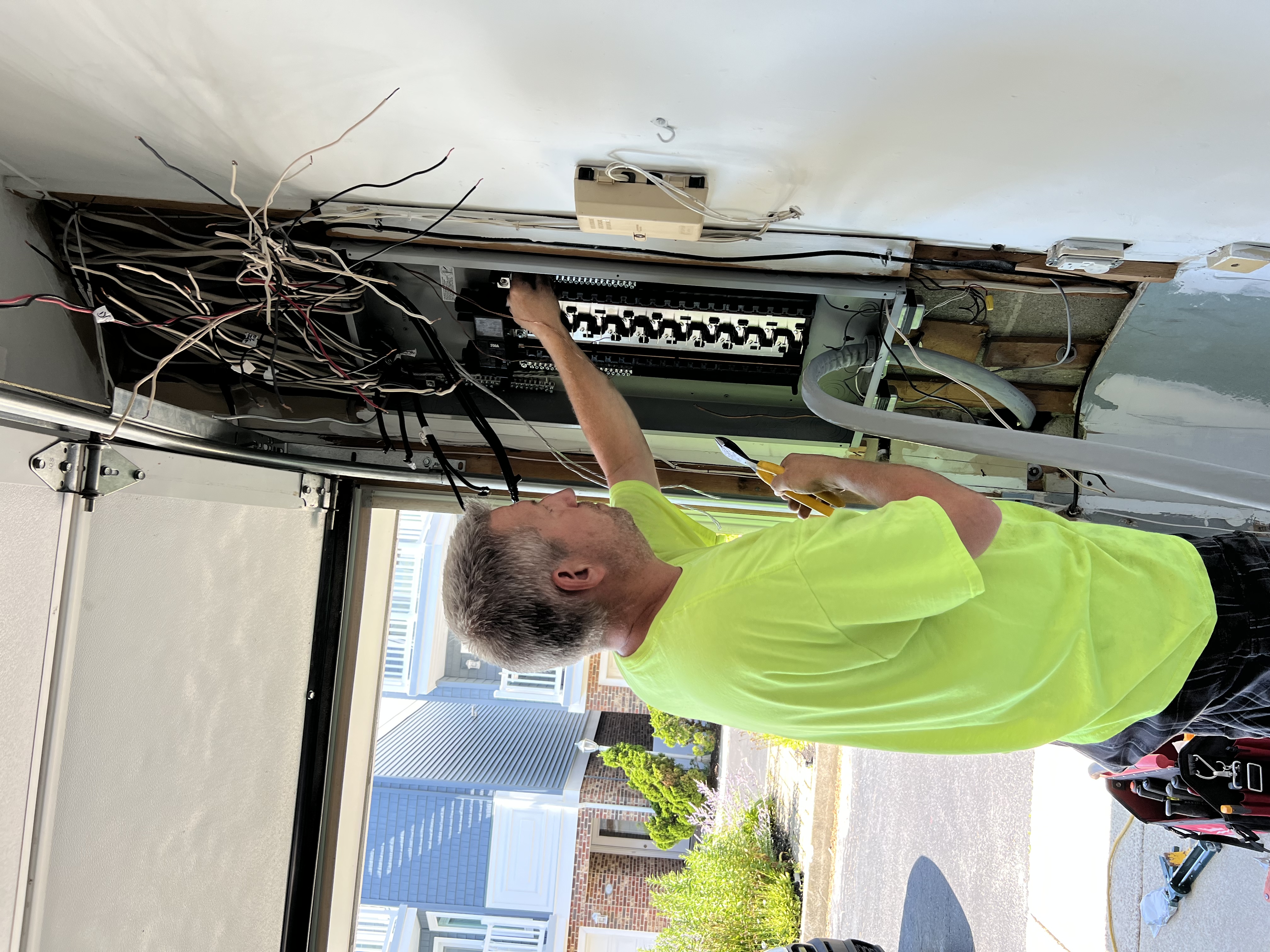
We mount the surge protector inside or adjacent to your main panel, connect it to a dedicated breaker, and bond it to your grounding system. The device includes an indicator light or alarm to show it's working. If it sacrifices itself blocking a major surge, you'll know it's time for replacement.

All work is done to code, and we'll coordinate inspections if your municipality requires a permit for panel modifications.

How it works


01

Assessment

We evaluate your electrical panel, service size, and grounding system to select the right surge protector for your home.

02

Installation

The surge protective device is mounted at or near your main panel, wired to a dedicated breaker, and bonded to ground per NEC standards.

03

Testing & Verification

We verify proper operation, check indicator lights, and walk you through what to watch for over time.

Common questions

Does this replace surge protector power strips?+

No. Whole-home protection is your first line of defense at the panel, but we still recommend point-of-use surge strips for sensitive electronics like computers and TVs. Layered protection is best.

Will it protect against a direct lightning strike?+

No surge protector can guarantee protection from a direct strike, but a whole-home device significantly reduces damage from nearby strikes and the surges that follow. Proper grounding and bonding are critical.

How do I know if it's still working?+

Most units have an indicator light that stays on when the device is active. If the light goes out, the protector may have absorbed a large surge and needs replacement. We can test it during service calls.
Get started — Atlantic City, NJ

Get it wired right, the first time.

Tell us what's going on and we'll take a look — honest assessment, upfront pricing, no obligation.

Call (609) 385-0569Request Service →